Content
Introduction
When a brand starts developing its packaging, one of the first important decisions is not related to design or printing, but to the material. And this is where many doubts usually arise.
At SelfPackaging, two of the most commonly used materials are micro-flute corrugated board and cardboard. Both allow the creation of custom and printable boxes, but they deliver very different results depending on the type of product, the sales channel, and the experience the brand wants to convey.
The key is not to decide which one is “better”, but to understand what your packaging really needs.
Why the material changes the final result so much
The material has a much greater impact than it might seem. It affects not only the visual appearance of the box, but also:
- Product protection
- Resistance during transport
- Perceived quality
- Visual finish
- Unboxing experience
- Logistics costs
That is why an attractive box can stop working if it does not withstand transport properly, while an overly robust one may fail to communicate the right brand image. The balance between functionality and perception is what truly defines good packaging.

Micro-flute: resistance and protection for logistics and e-commerce
Micro-flute is a type of corrugated cardboard made up of several layers and a small inner wave that provides rigidity and strength. It is designed to better withstand impacts, weight, and handling.
That is why it is commonly used in e-commerce packaging, shipping boxes, fragile products, multi-packs, or heavy items.
Its main advantage is that it protects the product better without significantly increasing the packaging weight. In addition, it absorbs small shocks, improves structural resistance, and performs especially well in storage and transport.
For online brands, this is key: packaging must not only look good, it must also arrive in perfect condition to the customer.
If you want to go deeper into this topic, you can also read: “Everything you need to know about cardboard resistance”.
Cardboard: when design and experience are a priority
Cardboard works differently. Here, the focus is on visual finish, detail, and premium perception.
It is a thinner and smoother material, very commonly used in sectors such as cosmetics, jewellery, fashion, stationery, or gift products.
Its main advantage lies in the quality of the finish. The smooth surface allows for more precise printing, defined colours, and a much more refined visual presence in retail or display environments.
In addition, it is a very common option when the box does not need to withstand major logistical demands and the main goal is to enhance brand experience, unboxing, and the perceived premium value of the product.
Micro-flute vs cardboard: main differences
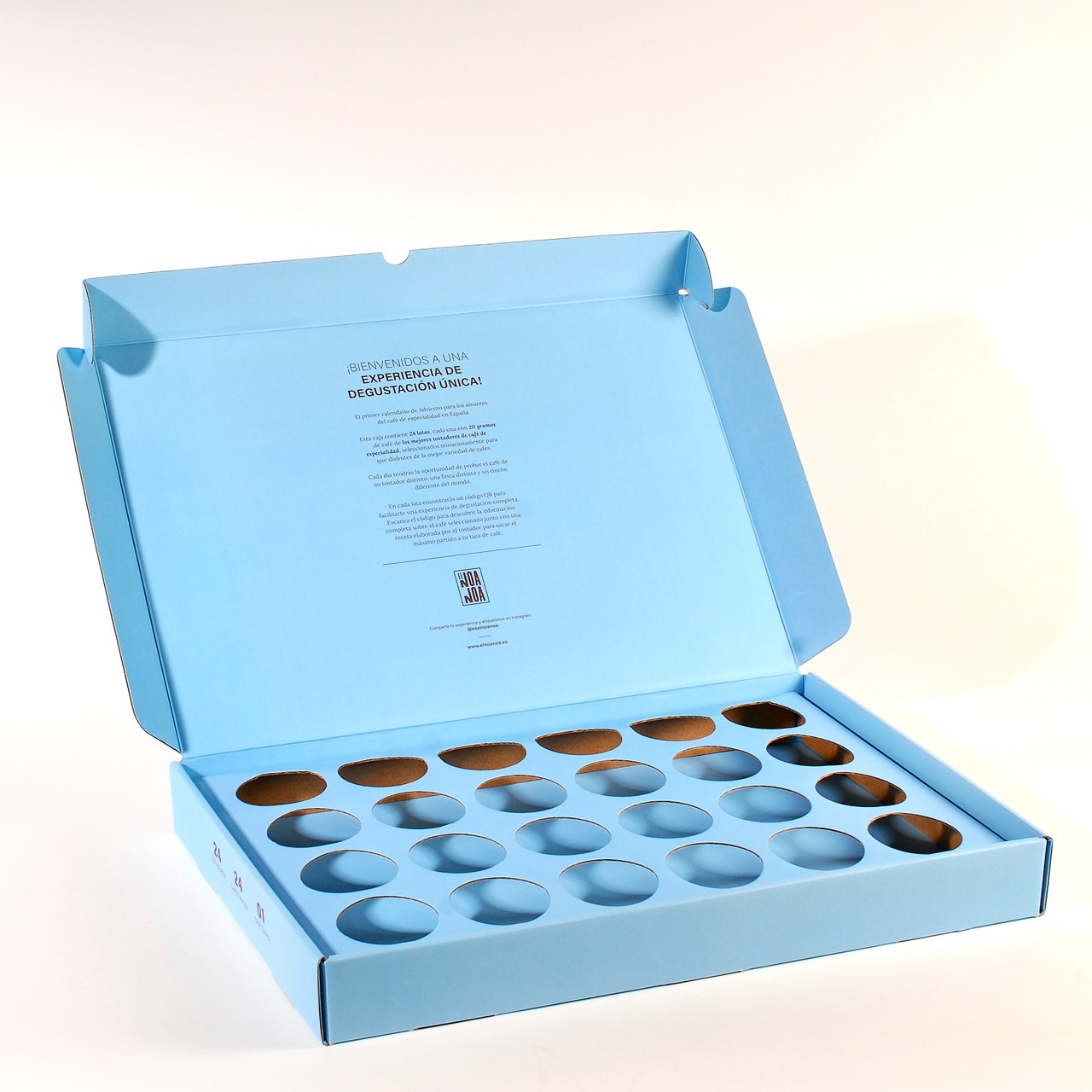
Micro-flute
- Higher structural resistance
- Better for shipping and logistics
- More suitable for fragile or heavy products
- Widely used in e-commerce
- Prioritises protection and functionality
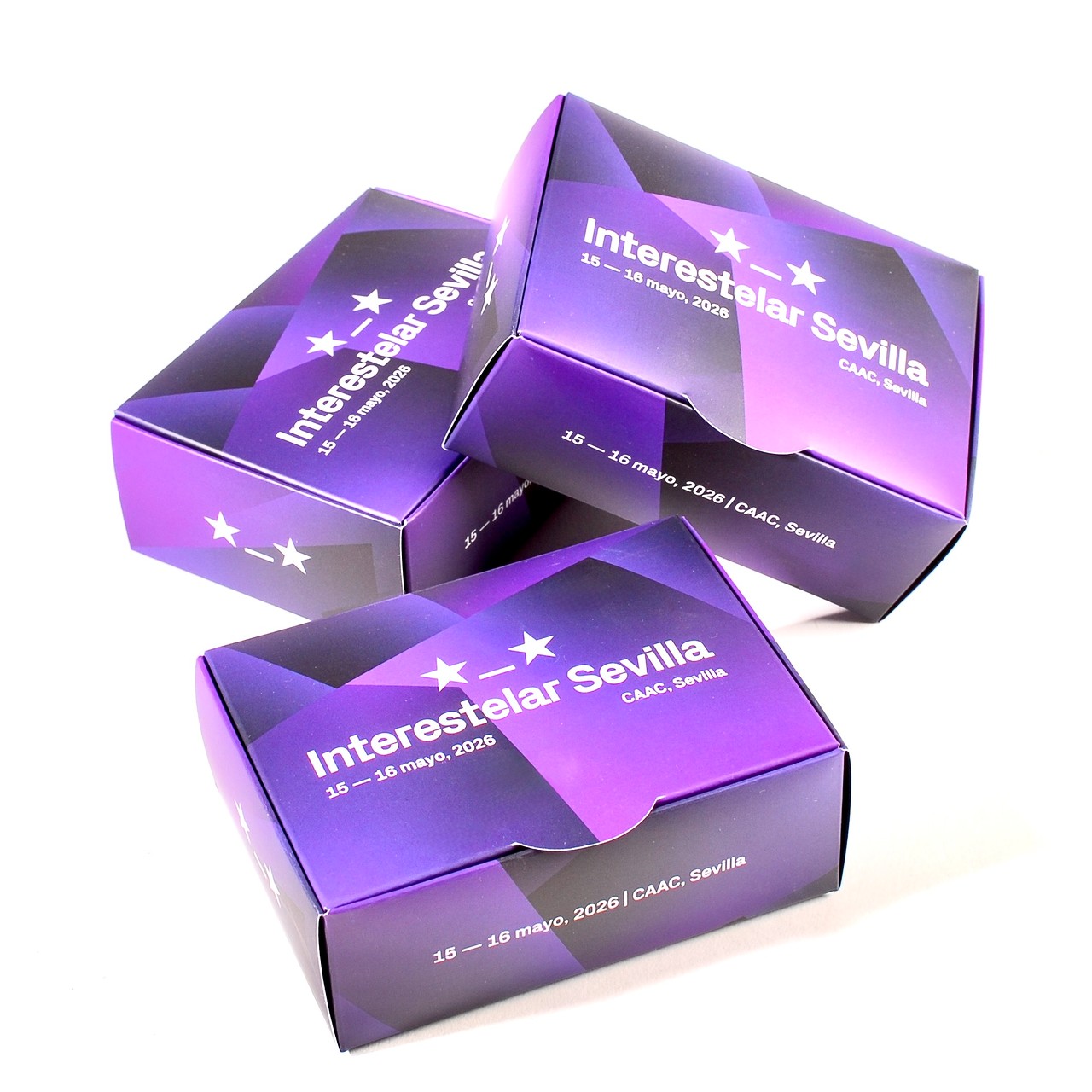
Cardboard
- Better visual finish
- More precise and detailed printing
- More suitable for retail and gifting
- Widely used in cosmetics, jewellery, or fashion
- Prioritises branding and premium experience
The real difference between both materials
Although it is often reduced to thickness, the real difference lies in the function of each material.
Micro-flute is designed to resist: it prioritises protection, rigidity, and logistical functionality.
Cardboard, on the other hand, is designed to communicate: it prioritises image, design, and visual experience.
That is why choosing correctly depends more on the product context than on the material itself.
How the sales channel influences packaging
The sales channel completely changes packaging needs.
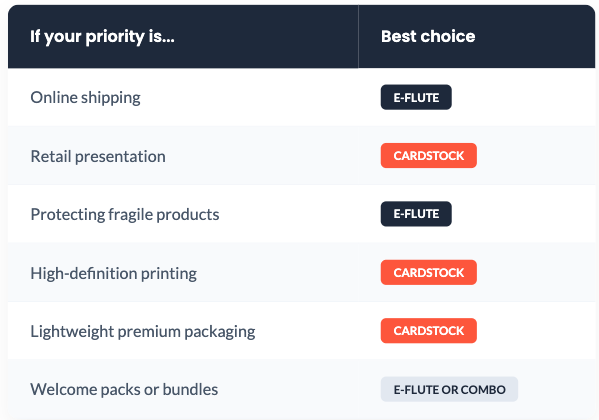
If the product is sold online, the box must withstand logistics handling, transport, and storage, so resistance becomes more important. In these cases, micro-flute is usually the safest option.
In retail, the opposite happens: here packaging needs to stand out visually, reinforce branding, and convey quality in display. That is why cardboard usually has the advantage.
Many brands operate in both channels, so they need a balance between protection, presentation, and cost. This is where material choice becomes truly strategic.
When to choose micro-flute
Micro-flute is usually the best option when:
- You mainly sell online
- The product is delicate or heavy
- The box will travel long distances
- You need to minimise transport risks
- You prioritise protection and logistics efficiency
When to choose cardboard
Cardboard works better when:
- Brand image is a priority
- The product is sold in retail
- The product is lightweight
- Packaging is part of a premium experience
- Visual finish and unboxing matter greatly
Sustainability: beyond the material
Neither micro-flute nor cardboard is inherently sustainable or unsustainable. What really makes the difference is how the packaging is designed.
Aspects such as optimising box size, avoiding over-packaging, facilitating recycling, or choosing the material based on the actual product need have a much greater impact.
Well-designed packaging is usually more sustainable than oversized packaging, regardless of the material used.
So, which material should you choose?
There is no universal answer.
Choosing between micro-flute and cardboard depends on the product, the type of transport, the experience you want to create, and the image you want to convey.
In some cases, protection will be the priority. In others, visual finish. And very often, the best result comes precisely from balancing both factors.
Because packaging does not only protect a product: it also communicates the brand value even before the box is opened.
Discover which solution fits your packaging best
If you want to explore which solution best suits your product, you can discover our cardboard box options or see different custom packaging proposals according to your brand needs.
Conclusion
The difference between micro-flute and cardboard goes far beyond thickness or visual appearance.
Each material responds to different needs and provides different advantages depending on the product, the channel, and the experience the brand wants to build.
Understanding how each one works allows for more strategic packaging decisions, balancing protection, design, cost, and brand perception. Because choosing a box is not only about how it looks, but also about how it protects and how it will be remembered.