
Content
Introduction
Choosing the right packaging is not just an aesthetic decision. It directly affects product protection, customer experience, logistics costs, and brand perception.
But above all, a good packaging decision does not start with the box, the design, or the material. It starts with understanding what your product needs, how it will be sold, and what kind of experience you want to create.
That is why, before choosing a specific solution, it is essential to analyze the variables that truly determine which type of packaging is the best fit for each case.
What you should know before choosing packaging
Not all packaging solutions respond to the same need. In fact, one of the most common mistakes is choosing a box based on aesthetics or intuition without first defining its real function.
Before moving forward with materials, formats, or structures, there are three fundamental questions you should ask yourself:
- What do I need the packaging for?
- What product will it contain?
- What experience do I want the customer to have?
From this point on, decisions stop being generic and start becoming strategic.
1. The purpose of packaging: protect, sell, gift, or stand out
Packaging for shipping and e-commerce
When the goal is shipping, packaging has a clear function: protection.
This is where material resistance, volume optimization, and logistics efficiency come into play. It is not only about ensuring the product arrives safely, but also about doing so without driving up transport or storage costs.
In this type of project, a well-chosen standard solution can often work perfectly if the product does not require special conditions.

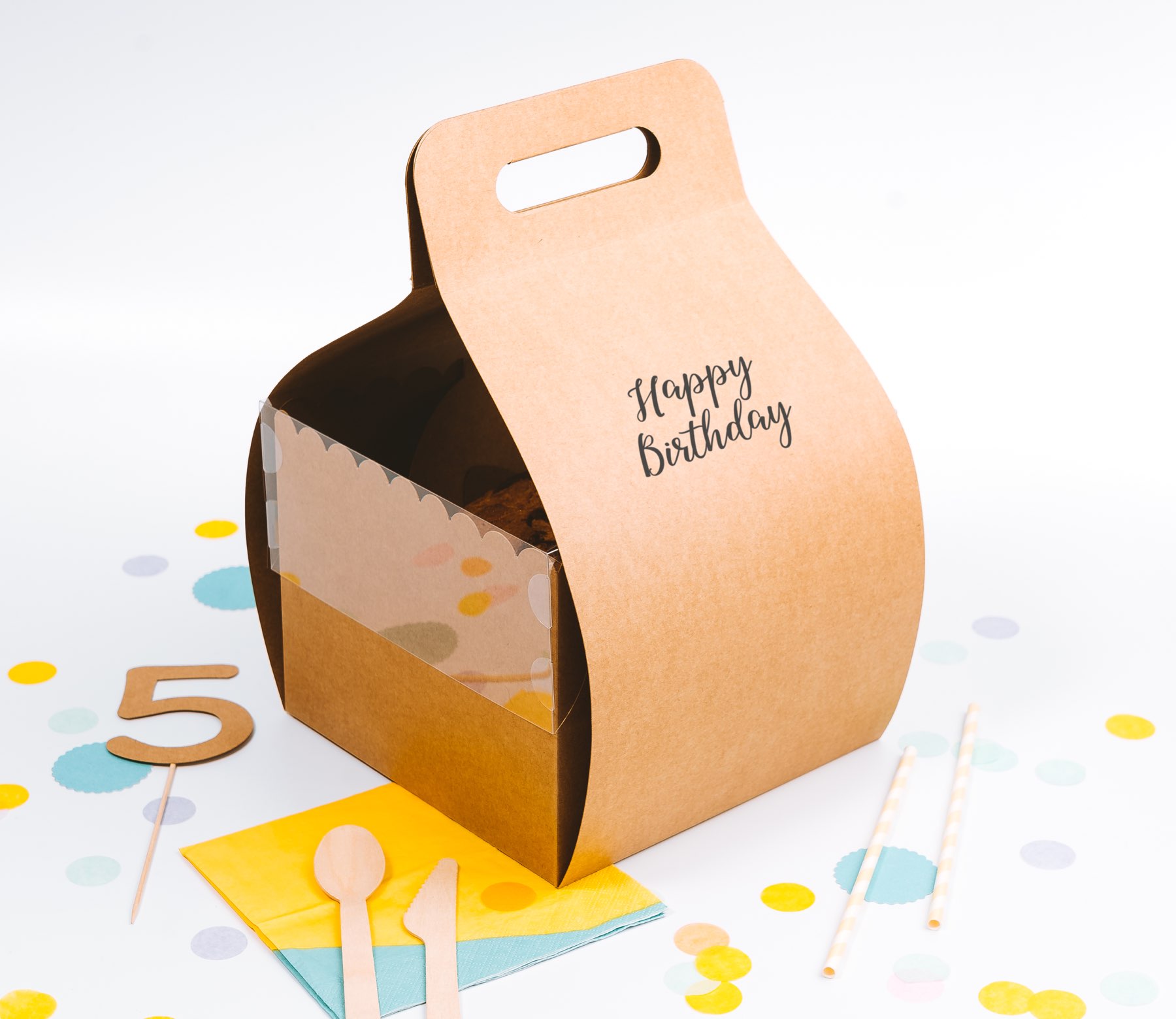
Packaging for gifts
In gift packaging, the logic changes completely.
Here, the value is not only in protection, but in creating an experience. The box opening, the product presentation, and the perception of care become part of the product itself.
In this case, structure and design carry more weight than logistics optimization.
Packaging for retail or point of sale
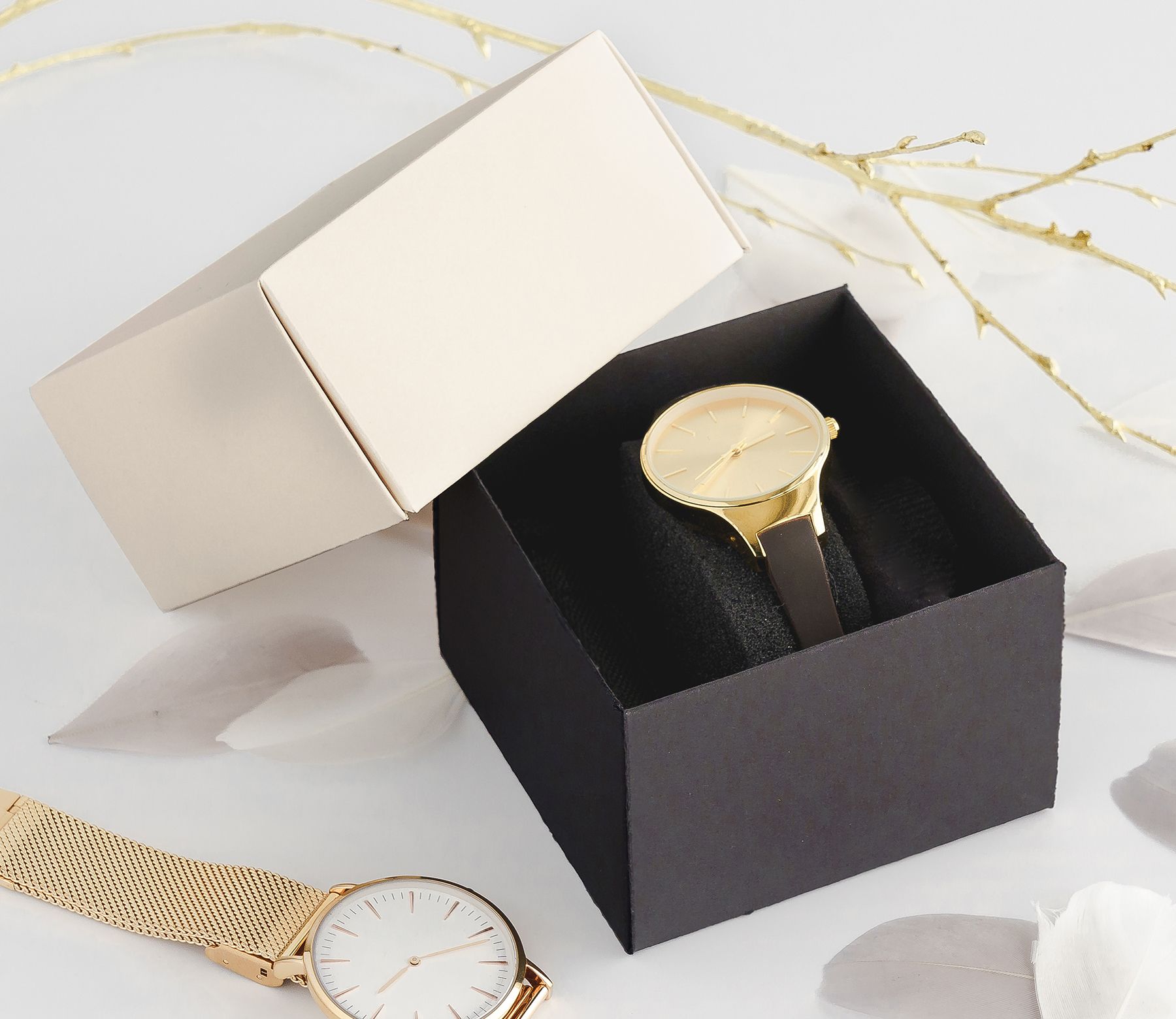
In retail, packaging competes for attention.
The shape, size, and ability to stand out on a crowded shelf are decisive. Here, the goal is not only to contain the product, but to communicate it within seconds.
Packaging to reinforce brand image
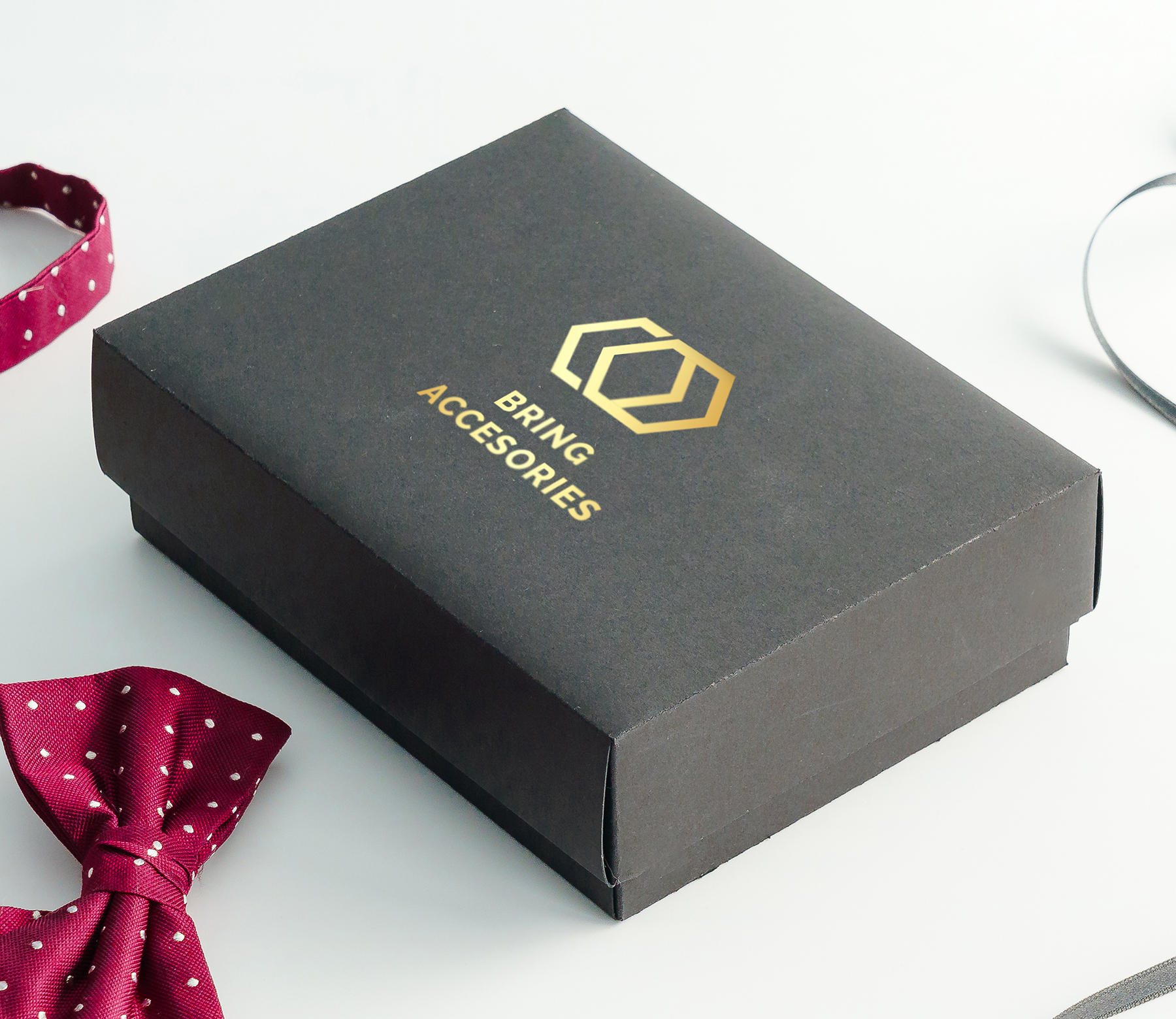
Beyond the sales channel, there is a higher level: branding.
Packaging can also be a tool to reinforce positioning, visual consistency, and brand perception. In these cases, the choice depends not only on the product, but also on what the brand wants to communicate.
2. How your product influences packaging choice
The real starting point is always the product.
Weight, volume, and fragility determine a large part of the decision. Designing for a lightweight product is not the same as designing for a heavy one, nor is designing for a resistant item the same as for a delicate one.
Products such as glass, ceramics, or cosmetics often require solutions with internal protection, while more flexible products allow for simpler and more efficient structures.
You should also consider whether the product needs protection against humidity, temperature, or handling during transport.
👉 At this point, there is one key idea to remember:
Packaging should not be chosen primarily for aesthetics, but for what the product needs to arrive safely, look good, and align with the brand.
3. The box structure: the decision that most impacts the final result
Structure is the element that most influences packaging performance.
It defines how the packaging is assembled, opened, how much space it takes up, how it protects the product, and how the final experience is perceived.
There are many structural solutions: self-assembly boxes, lid-and-base boxes, rigid boxes, or designs created for specific products.
👉 You can learn more here about how structure influences product perception.
In many cases, the structure is what separates functional packaging from truly memorable packaging.
4. Which material to choose according to protection, image, and cost
The material not only determines the packaging’s resistance, but also its perception and positioning.
Cardboard is the most common base due to its versatility and balance between cost and functionality, but there are many different variations within it.
- Kraft cardboard conveys naturalness and sustainability
- Coated cardboard allows for more visual and premium finishes
- More rigid materials reinforce the feeling of quality and protection
In addition, sustainability is no longer optional: it is an increasingly important decision factor for both brands and consumers.
👉 You can explore options here.
5. How packaging changes depending on your sales channel
The sales channel directly determines the type of packaging you need.
If you sell online
The priority is protection, logistics efficiency, and delivery experience.
If you sell in physical stores
The focus is on visibility, aesthetics, and the ability to stand out on the shelf.
If you sell through both channels
The challenge is finding a balance between durability, image, and scalability.
This is where many brands fail: they design packaging for a single context without considering the product’s full journey.
6. When a standard solution works and when customization is worth it
Not every project requires a custom solution.
In many cases, a well-chosen standard box can perfectly meet the product’s needs, especially when volumes are low or complexity is limited.
However, when the product has specific requirements, brand experience is key, or differentiation is important, a customized solution makes more sense.
When a standard solution can work well
- Products with common dimensions
- Basic protection needs
- Projects with low logistics complexity
When customization is recommended
- Products with special requirements
- Brands looking for clear differentiation
- More elaborate unboxing experiences
- Product scaling or advanced branding
At SelfPackaging, this decision is usually one of the key points in defining the project.
7. Common mistakes when choosing packaging
Some mistakes appear repeatedly in packaging decisions:
- Choosing only based on aesthetics without considering functionality
- Oversizing the box unnecessarily
- Not taking the sales channel into account
- Ignoring logistics costs
- Not thinking about scalability
Avoiding these mistakes can make a huge difference in costs, customer experience, and brand perception.
How to make a better packaging decision
The best packaging decision is not the prettiest, the most complex, or the cheapest one.
It is the one that balances product, sales channel, experience, and brand.
When these elements are aligned, packaging stops being just a container and becomes a strategic tool that protects, communicates, and sells.
Find the packaging solution that best fits your product
If you are in the decision or exploration phase, you can discover different solutions depending on your needs:
Conclusion
Choosing packaging is not an isolated decision, but a process involving product, sales channel, structure, material, and brand.
The better these variables are understood, the easier it becomes to make decisions that not only work technically, but also reinforce product perception and improve customer experience.
In packaging, it is not just about choosing a box. It is about choosing the best way to present, protect, and sell a product.