
Content
Introduction
Packaging is no longer judged only by how it looks. Today, it directly influences how a brand is perceived, how the buying experience is lived, and how easy or difficult it is to sell, ship or present a product.
In 2026, the challenge will not be to follow trends automatically, but to understand which ones actually make sense depending on the type of product, the sales channel and the stage each brand is in. Not all packaging trends are equally relevant for everyone: some help improve ecommerce conversion, others strengthen brand positioning, and others help reduce costs, materials or logistical friction.
That is why, rather than a list of trends, this article presents a practical view of sustainable and functional packaging in 2026: what is changing, why it matters, and above all, when it makes sense to apply it so it truly adds value to the business.
What is changing in packaging in 2026
Packaging is evolving towards more strategic solutions. It is no longer just about protecting a product or making it attractive, but about responding better to specific needs: standing out in ecommerce, reinforcing brand perception, making recycling easier, reducing materials or creating a more coherent experience.
That is why talking about packaging trends in 2026 should not only be about aesthetics. It should be about decisions.
6 packaging trends in 2026 that actually impact today’s brands
Functional minimalism: communicate more with less
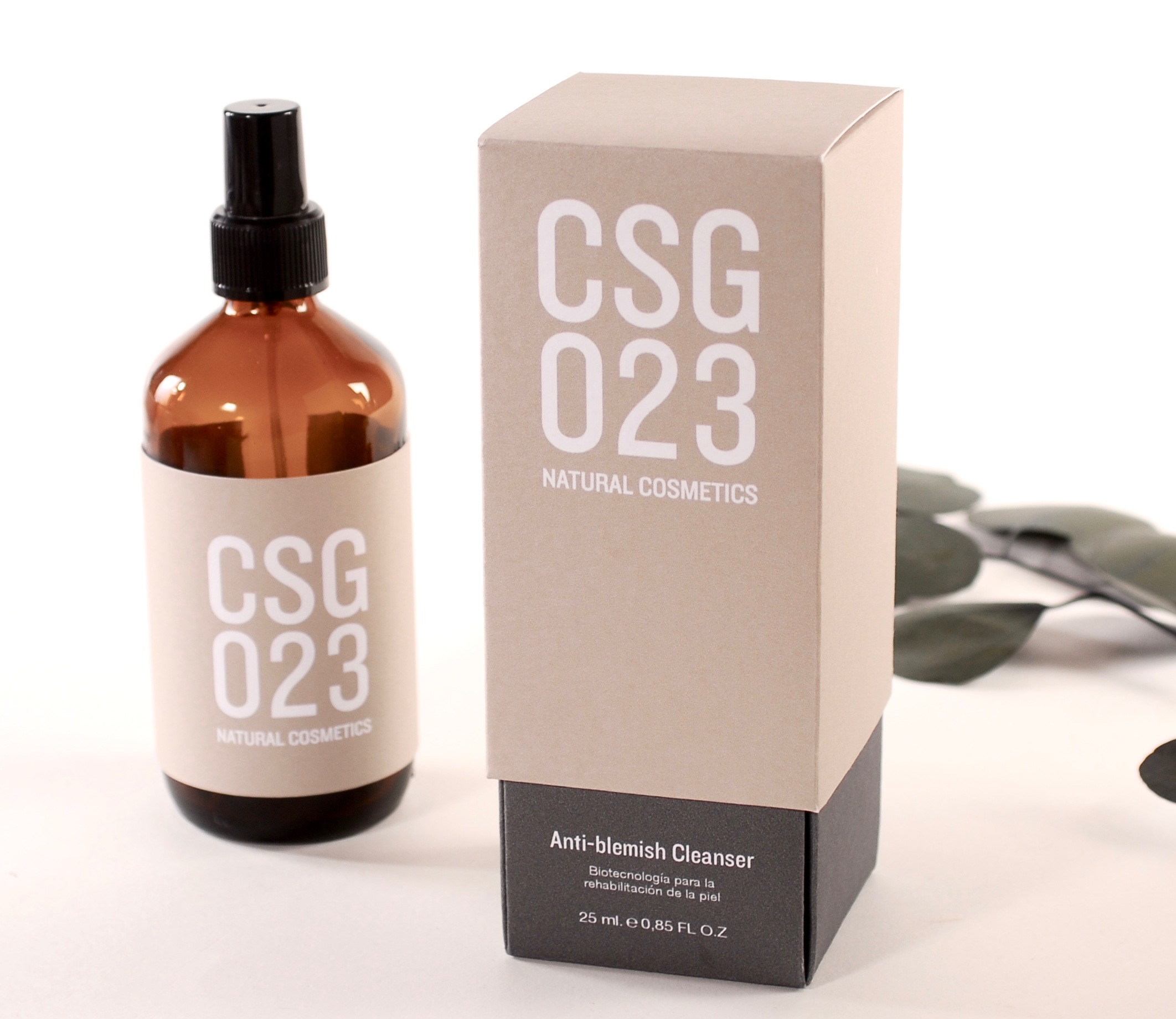
In a highly saturated environment, brands need to communicate faster and with less friction. Functional minimalism is not just about using fewer visual elements, but about making packaging easier to understand, quicker to recognise and clearer in its value proposition from the very first glance.
Clean typography, balanced compositions and a well-structured visual hierarchy help capture attention without overload. The goal is not to simplify for aesthetic reasons, but to reduce noise so the brand message is immediate and easy to interpret, both in ecommerce and in physical retail.
When it makes sense to apply it
It is especially relevant for brands selling online, contemporary projects with a defined visual identity, or product launches where clarity is key to generating quick impact. It also works well for large catalogues, where visual consistency helps reinforce brand recognition.
What it brings to the brand
More recognition, less friction in the purchase decision and a more modern and structured brand image. It also makes it easier to adapt packaging across different channels without losing consistency.
How to apply it with SelfPackaging
If you are looking for a solution aligned with this approach, you can create clean and direct designs using our custom boxes, adapting typography, colours and composition to your brand identity:
Easier-to-recycle packaging: designing for what comes after
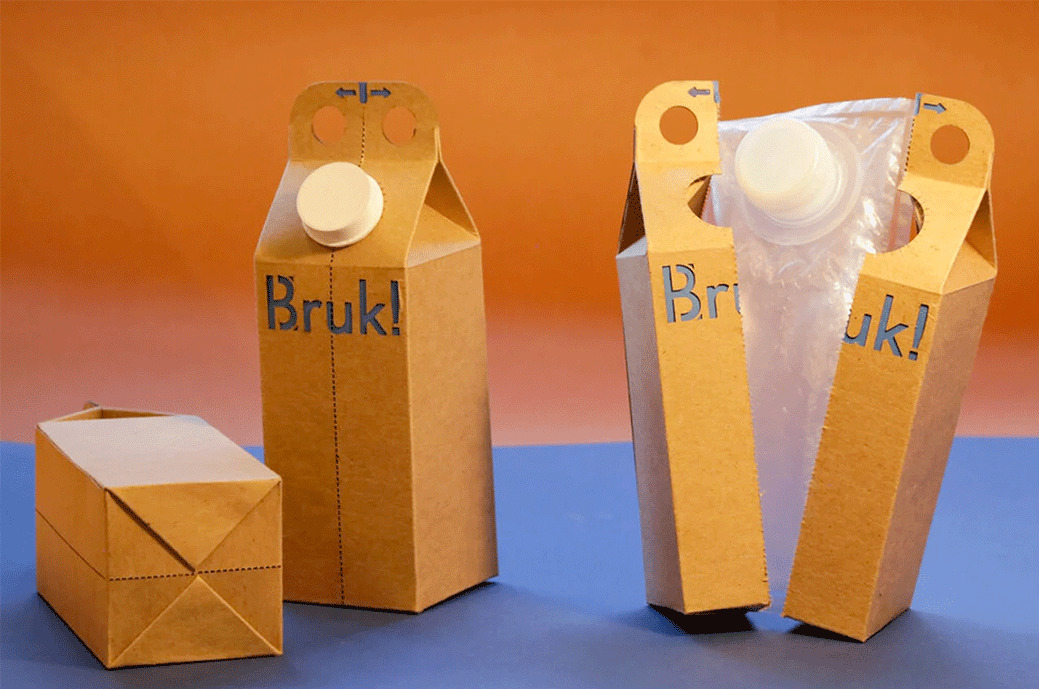
One of the main directions in packaging evolution is not only using sustainable materials, but designing solutions that are genuinely easy to manage once the product has been used.
This means reducing unnecessary material mixing, opting for simpler structures and making it easier for users to separate and recycle components. In other words, moving from a material-focused approach to one where packaging design also defines its final impact.
In 2026, sustainability will no longer be understood as an isolated material decision, but as a broader design decision, where shape, structure and user experience also influence real recyclability.
When it makes sense to apply it
It is a trend that is practically relevant for any brand, but especially for ecommerce, DTC brands and businesses with an already established or developing sustainability narrative. It is also key in sectors with high packaging volume and where environmental perception influences purchasing decisions.
What it brings to the brand
It improves sustainability perception, reduces user friction when recycling and reinforces a more coherent and responsible brand proposition without adding unnecessary complexity.
How to apply it with SelfPackaging
Working with simpler packaging structures and mono-material or easily separable solutions allows brands to move in this direction without sacrificing design. At SelfPackaging you can find custom boxes that support this approach, balancing aesthetics, functionality and recyclability.
Less material, more efficiency: sustainability and logistics go hand in hand
Reducing volume and weight has become one of the smartest decisions in packaging design. Not only from a sustainability perspective, but also because of its direct impact on logistics efficiency, storage and shipping costs.
The trend is not about “doing less for the sake of it”, but about optimising structures so they properly protect the product with the minimum necessary complexity. This is a design approach where packaging serves real functional needs.
In many cases, a better-designed box brings more value than a more complex one: it reduces unnecessary air, improves unboxing experience and optimises the entire logistics chain without compromising brand perception.
When it makes sense to apply it
It is especially relevant for ecommerce, brands with frequent shipments, lightweight products or businesses looking to improve operational efficiency without losing visual consistency in their packaging.
What it brings to the brand
It reduces logistics costs, improves delivery experience and reduces over-packaging. It also contributes to a more responsible and optimised brand image, increasingly valued by end consumers.
How to apply it with SelfPackaging
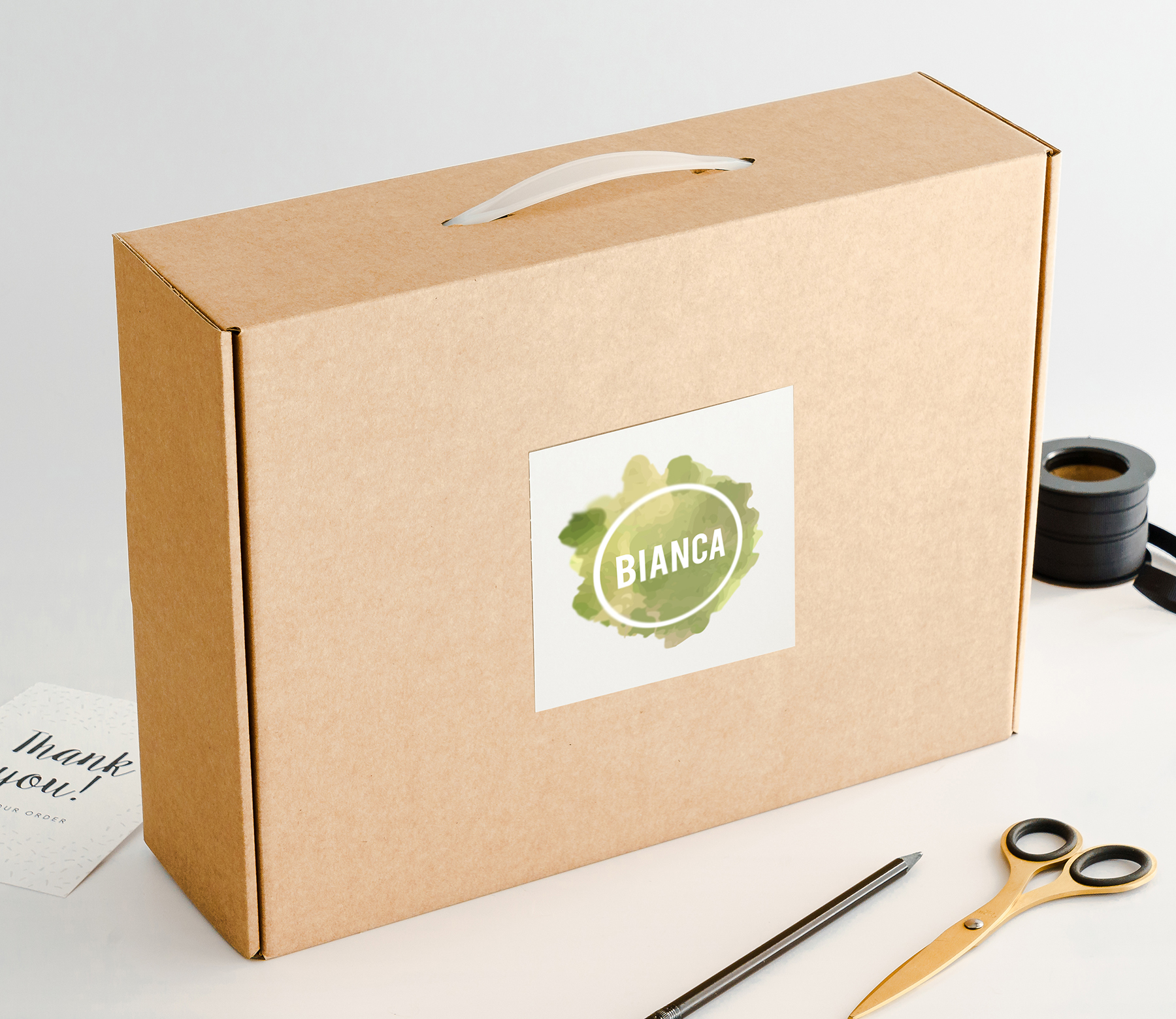
If your priority is to sell and ship more efficiently, you can explore our shipping box solutions, designed to optimise space and protect products without unnecessary complexity:
Experience-driven packaging: design that is remembered
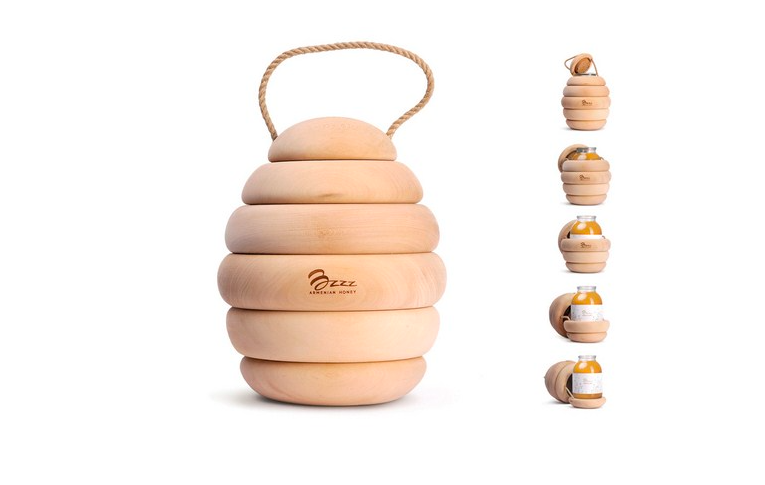
In categories where perceived value is key, packaging continues to play a central role in the brand experience. It does not only protect the product, it defines how it feels to receive it, open it and discover it.
This is where carefully designed openings, textures, finishes, embossing or small structural details come into play, reinforcing the experience. The goal is not to add features for aesthetic reasons, but to use them intentionally to elevate perceived value and build a more coherent brand experience.
In this sense, packaging becomes an extension of the product: it anticipates it, frames it and often shapes the final perception the customer has of it.
When it makes sense to apply it
It is especially relevant for gifting, retail, premium products, launches or brands where experience is a key differentiator. It also works well for limited editions or seasonal campaigns.
What it brings to the brand
It increases brand recall, elevates perceived quality and strengthens emotional connection with the product. In many cases, it directly influences recommendations and repeat purchases.
How to apply it with SelfPackaging
This approach can be implemented through custom box structures designed for gifting and unboxing experiences, where structure and format help create that special moment without technical complexity.
Connected packaging: from packaging to information
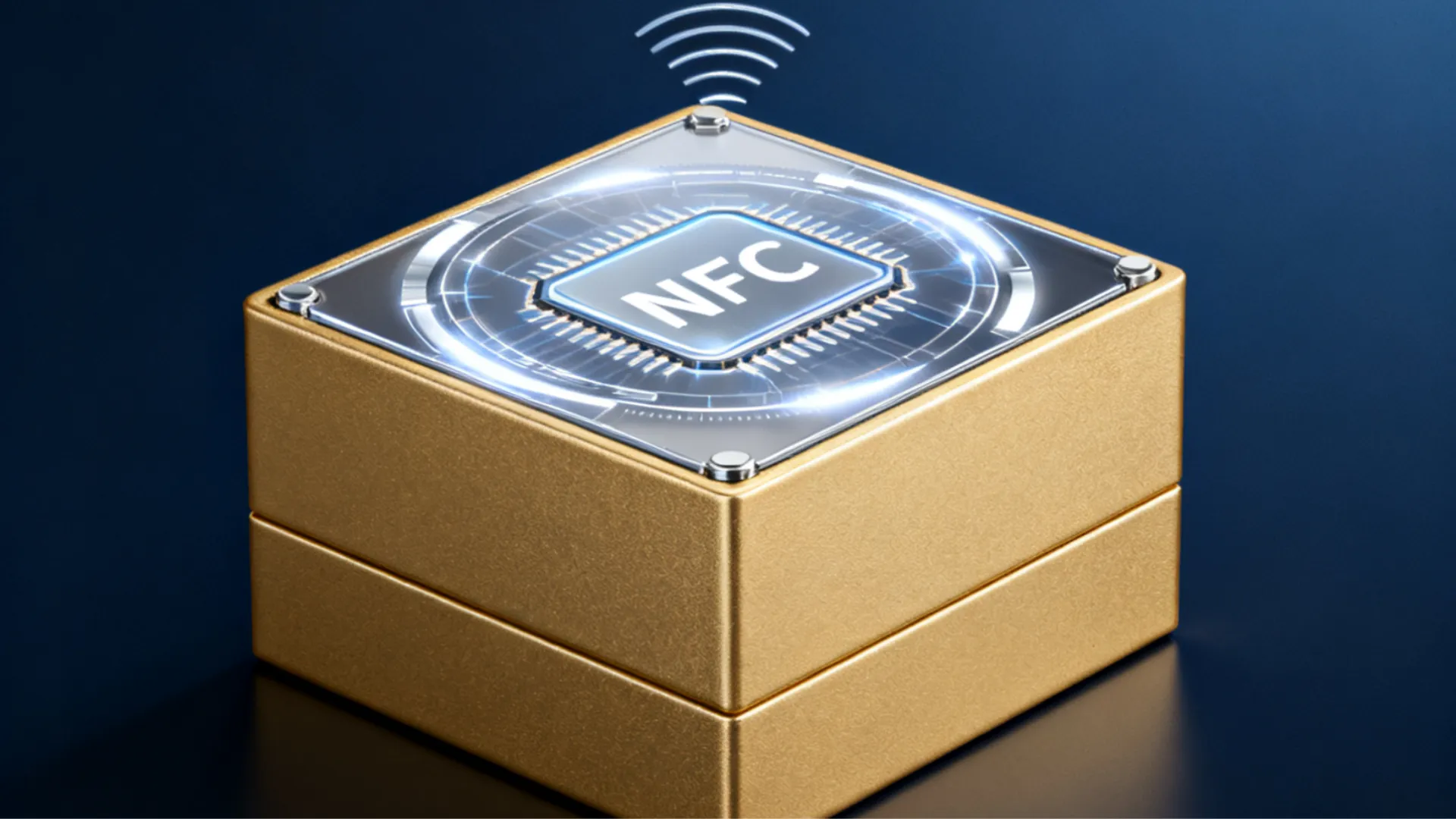
Packaging is also starting to play a more active role as an access point to information. This does not always require complex technology: often, a well-placed QR code is enough to expand content, explain the product, enhance storytelling or provide usage and recycling instructions.
More than a technological trend, this only makes sense when packaging helps better connect the physical experience with the information the brand wants to communicate. When used properly, it can enrich product understanding without overloading packaging design.
However, it is important to clarify: this is not a trend for all brands or all products. It only makes sense when it provides real value to the user. If the additional content does not improve the experience, simplify decision-making or solve a question, it becomes unnecessary.
When it makes sense to apply it
It works especially well for brands with a strong product narrative, products that require explanation, launches, special editions or packaging with a post-purchase journey (instructions, reuse or advanced recycling).
What it brings to the brand
It provides more context, more interaction and a more complete experience without adding physical complexity. It also extends brand communication beyond the moment of purchase.
How to apply it with SelfPackaging
This approach can easily be integrated into custom boxes, where packaging remains clean while a digital layer of information is added through QR codes.
Sustainable credibility: proving more, promising less
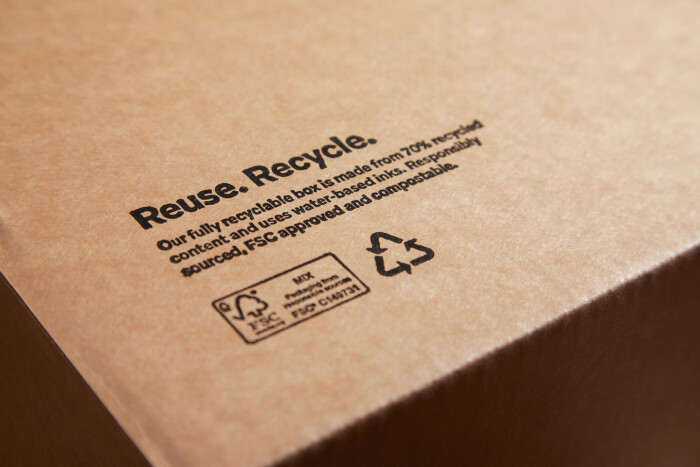
It will no longer be enough to claim that packaging is sustainable. Brands will need to explain more clearly why it is: what materials are used, how it is recycled, what design decisions were made, whether volume has been reduced or which certifications support it.
Sustainability in packaging is no longer only about messaging, but about the ability to demonstrate concrete and consistent decisions throughout the entire process. Today’s consumer is more critical and expects verifiable information, not generic claims.
This does not mean complicating communication, but making it more honest and direct: explaining the essentials clearly so users understand the real impact of the packaging they receive.
When it makes sense to apply it
It is especially relevant for brands that already integrate sustainability into their core positioning, but increasingly also for generalist brands that need to build trust and differentiate in a saturated “eco” messaging environment.
What it brings to the brand
It increases credibility, strengthens consumer trust and reduces the gap between what the brand says and what it actually does. It also improves transparency perception, a key purchasing factor today.
How to apply it with SelfPackaging
Using custom boxes allows brands to integrate this narrative visually and coherently, communicating packaging choices clearly and reinforcing responsible brand perception without overloading design:
How to know which trend makes sense for your brand
Not all trends fit all cases equally. Choosing packaging in 2026 depends less on following what is trending and more on understanding what each brand truly needs based on its context, product and sales model.
To make better decisions, it is useful to analyse three key variables that directly influence which packaging direction makes sense.
Your sales channel
The channel defines most packaging needs.
If you sell online, the focus is usually on product protection, logistics efficiency, volume optimisation and recyclability. Packaging must be functional, resistant and shipping-ready.
If you sell in retail, packaging plays a stronger role in shelf visibility, attention capture and in-store experience.
Your positioning
Not all brands communicate the same way or need to transmit the same message.
A premium brand may prioritise experience, finishes and perceived value. A more accessible brand may focus on clarity, functionality and efficiency. A sustainability-driven brand must emphasise materials, recyclability and message coherence.
Packaging must reinforce positioning, not contradict it.
The purpose of packaging
Before applying any trend, it is essential to define what packaging is meant to achieve.
Improving ecommerce conversion, reinforcing branding, optimising logistics or launching a special edition all require different priorities in design, materials and structure.
It is less about following trends and more about making better decisions
In 2026, packaging will continue to evolve, but not all brands need to adopt all trends. The real difference will not come from following them all, but from knowing which changes actually bring value depending on the product, channel and stage of the business.
Rather than viewing trends in isolation, the opportunity lies in making better packaging decisions: clearer, more efficient and more aligned with what each brand needs to sell, position or scale.
Because today packaging is no longer just a box. It is a strategic tool that can help you sell better in ecommerce, present better in retail or ship better in logistics.
In that sense, having flexible and adaptable solutions is key to evolving without adding complexity or losing brand consistency.
Take the next step
Discover our custom boxes and find the solution that best fits your brand, product and sales channel.