
Content
Introduction
When someone sees a product for the first time, their brain starts making decisions even before reading the label, comparing prices, or analyzing its features.
The size of the package, its shape, color, material, and even texture generate a series of automatic perceptions that influence how we interpret the product in front of us.
What is most interesting is that these perceptions are not random. Numerous studies in consumer psychology have shown that small changes in packaging design can alter perceptions of quality, naturalness, exclusivity, taste, or value.
That is why packaging should not be viewed solely as a functional or aesthetic element. For many brands, it has become a strategic tool capable of reinforcing positioning, differentiating from competitors, and improving the customer experience.
Below, we explore some of the most interesting psychological principles that influence how consumers perceive a product through its packaging.
1. Taller Packages Seem to Contain More Product
Although it may seem surprising, people tend to estimate a package’s size mainly based on its height.
Various studies have shown that consumers perceive tall packages as larger than others with the same volume but different proportions.
This phenomenon is known as the “height bias” and explains why many products use elongated formats to increase the perception of size without changing the actual amount of product.
In addition, taller packages are often associated with healthier and higher-quality products.
Applications for Brands
- Premium cosmetics
- Wellness products
- Healthy food products
- Functional beverages
- Gourmet products
2. Packaging Shape Changes Consumer Expectations
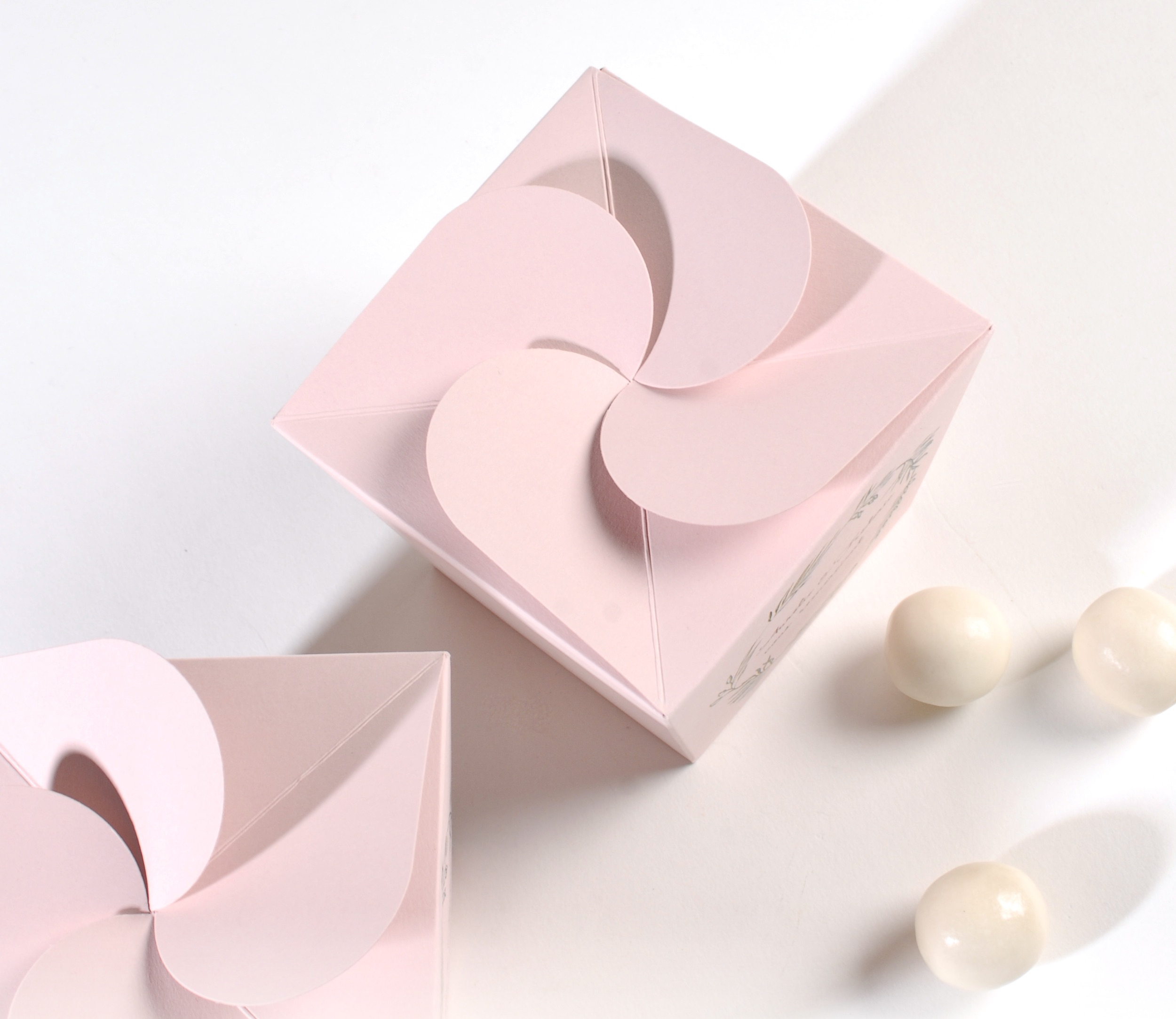
Shapes influence more than aesthetics. They also affect how consumers emotionally interpret a product.
Rounded shapes are commonly associated with softness, sweetness, friendliness, and approachability.
Angular shapes, on the other hand, tend to be linked to strength, precision, intensity, and character.
Applications for Brands
Rounded shapes work particularly well for:
- Cosmetics
- Children’s products
- Gifts
- Wellness products
- Personal care products
Geometric and angular structures are often used for:
- Technology
- Sports products
- Electronics
- Innovative brands
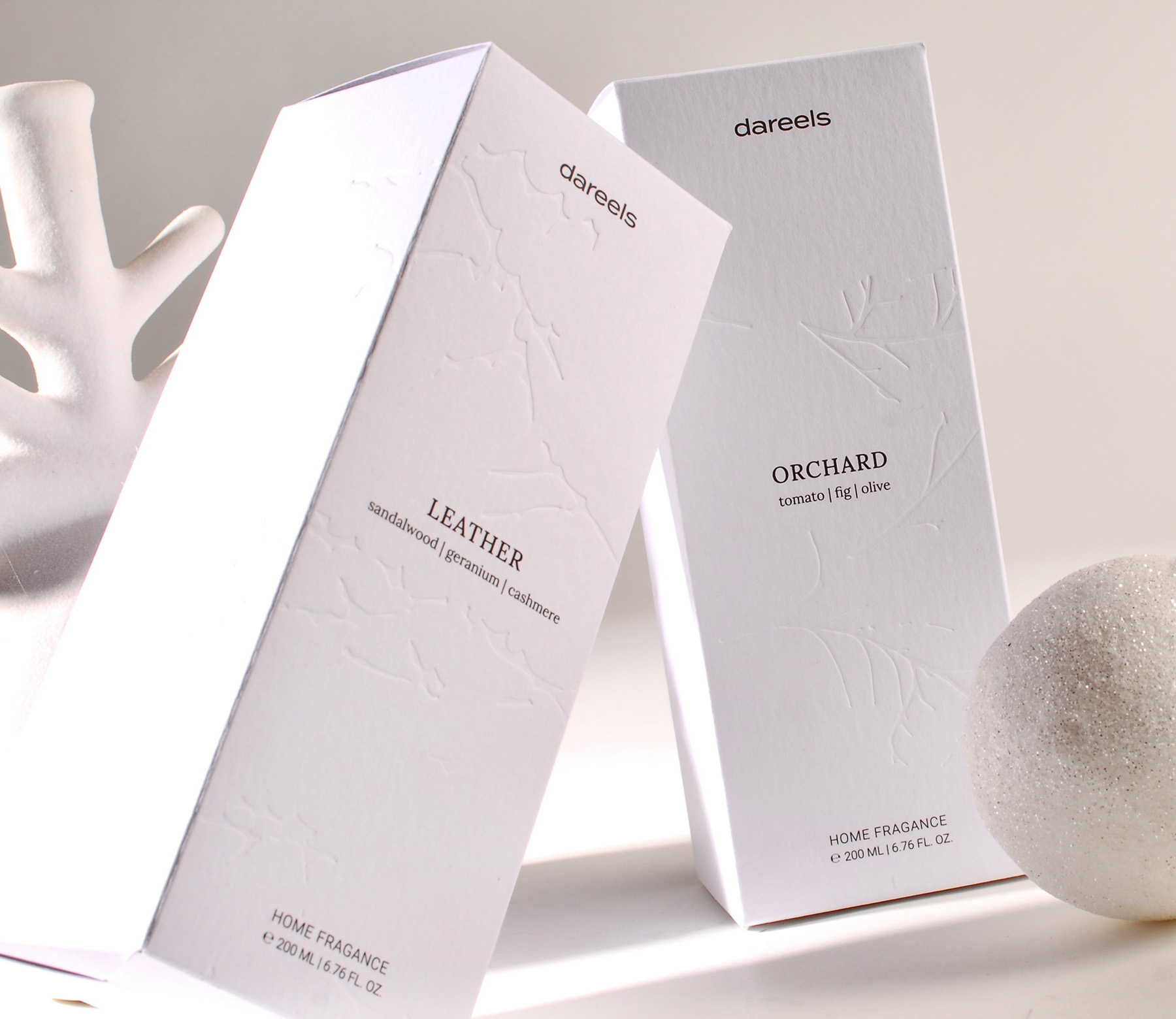
3. Materials Communicate More Than You Think
The material used in packaging plays an important role in product perception.
Consumers automatically create associations based on texture, weight, and finish.
Matte finishes are generally perceived as more natural and healthier than glossy finishes.
Applications for Brands
- Natural cosmetics
- Organic food products
- Sustainable products
- Wellness brands
4. Colors Create Expectations About the Product
Color is one of the most studied elements in packaging psychology.
It does more than attract attention—it helps shape expectations.
Light, beige, and earthy tones are often associated with naturalness and authenticity.
Dark colors tend to convey sophistication, exclusivity, and intensity.
Color saturation also plays a role. In some categories, highly saturated colors can reduce perceptions of naturalness.
Applications for Brands
- Natural products: beige, earthy tones, soft greens
- Premium positioning: black, navy blue, gold accents
- Innovation: strong contrasts and vibrant colors
- Wellness: neutral and calming tones
- Luxury: elegant and understated palettes
5. Seeing the Product Increases Trust
Transparency plays an important role in packaging psychology.
Transparent windows can increase perceptions of freshness and trust because consumers can see the actual product inside.
When the product has strong visual appeal, displaying it can become a powerful communication tool.
Applications for Brands
- Food products
- Chocolates and confectionery
- Handmade products
- Cosmetics
- Personalized gifts
6. Size Also Influences Perceived Quality
Bigger is not always better.
Research suggests that smaller formats are often perceived as more exclusive, premium, and specialized.
This helps explain why luxury brands frequently use compact packaging or limited-edition formats.
Applications for Brands
- Perfumes
- Premium cosmetics
- Gourmet products
- Jewelry
- Corporate gifts
7. Great Packaging Can Change Brand Preference
Perhaps the most interesting finding is that packaging does not only influence product perception—it can also influence brand perception.
Studies have shown that attractive packaging can significantly increase consumer preference for a brand, even when it is less well-known than its competitors.
This makes packaging especially valuable for:
- New brands
- Product launches
- Rebranding projects
- Companies operating in highly competitive markets
What Brands Can Learn from Packaging Psychology
| Element | Common Perception |
|---|---|
| Tall packages | Quality and health |
| Rounded shapes | Friendliness and softness |
| Angular shapes | Strength and intensity |
| Matte finishes | Naturalness |
| Light colors | Authenticity |
| Dark colors | Exclusivity |
| Transparent windows | Trust |
| Small formats | Premium positioning |
The goal is not to apply every principle at once, but to select the ones that best align with your brand identity and objectives.
How to Apply These Principles to Packaging Design
Understanding packaging psychology allows brands to make more strategic design decisions.
Packaging should not simply look attractive—it should reinforce the brand message and create a consistent customer experience.
Whether through custom e-commerce packaging, premium product boxes, or tailored packaging solutions, design can become a genuine competitive advantage.
How to Apply Packaging Psychology Without Complicating Your Project
Understanding packaging psychology does not mean every brand needs to completely redesign its packaging or invest in highly complex custom solutions.
In many cases, the real impact comes from making coherent design choices rather than creating more elaborate packaging.
Not every brand needs a fully custom box. Sometimes, small adjustments can make a significant difference in how a product is perceived.
A brand in its early stages can successfully start with standard packaging customized through color, labels, or finishes. This helps create a strong visual identity without requiring a major initial investment.
Meanwhile, premium brands or businesses with larger sales volumes may benefit from more specific packaging solutions where packaging becomes an extension of the overall brand experience.
The key is finding the right balance between perception, functionality, budget, and sales channel. It is not about creating more packaging—it is about creating the right packaging for each stage of your business.
Frequently Asked Questions About Packaging Psychology
What is packaging psychology?
Packaging psychology is the study of how the visual and physical elements of packaging influence consumer emotions, perceptions, and purchasing decisions.
Why is it important for brands?
Because it helps create packaging that reinforces qualities such as quality, sustainability, exclusivity, and trust before the customer even uses the product.
Which colors communicate a more natural image?
Beige, earthy tones, cream colors, and low-saturation palettes are commonly associated with naturalness and authenticity.
Do materials influence product perception?
Yes. Materials, textures, and finishes generate associations related to quality, sustainability, naturalness, and exclusivity.
Can good packaging help a brand sell more?
Numerous studies indicate that packaging influences perceived value and can increase brand preference over competing alternatives.
Conclusion
Packaging has a greater influence than many people realize.
Before reading a description or learning about a product’s features, consumers are already interpreting signals related to size, shape, materials, and color.
Packaging psychology demonstrates that these signals directly affect perceptions of quality, trust, exclusivity, and naturalness.
That is why designing packaging is not simply about creating an attractive box. It is about building an experience capable of communicating a brand’s values from the very first moment.
In an increasingly competitive market, that first impression can make all the difference.